Every parent eventually faces the same moment. You open a backpack, and suddenly there are twenty new pieces of artwork on the kitchen counter. Crayon drawings. Half-colored worksheets. Paint splatters. Early handwriting attempts. Multiply that by a school year… or a few kids… and suddenly you have an entire bin of artwork you don’t know what to do with. So the question becomes:
What should you actually keep? And what can you let go of without guilt?
After years working as a photo editor — and now creating Keepsakery books for families — I’ve learned that the key isn’t keeping everything. It’s keeping the pieces that tell the story Here’s how I sort through kids’ artwork when creating a Keepsakery book.
What Artwork Is Worth Saving?
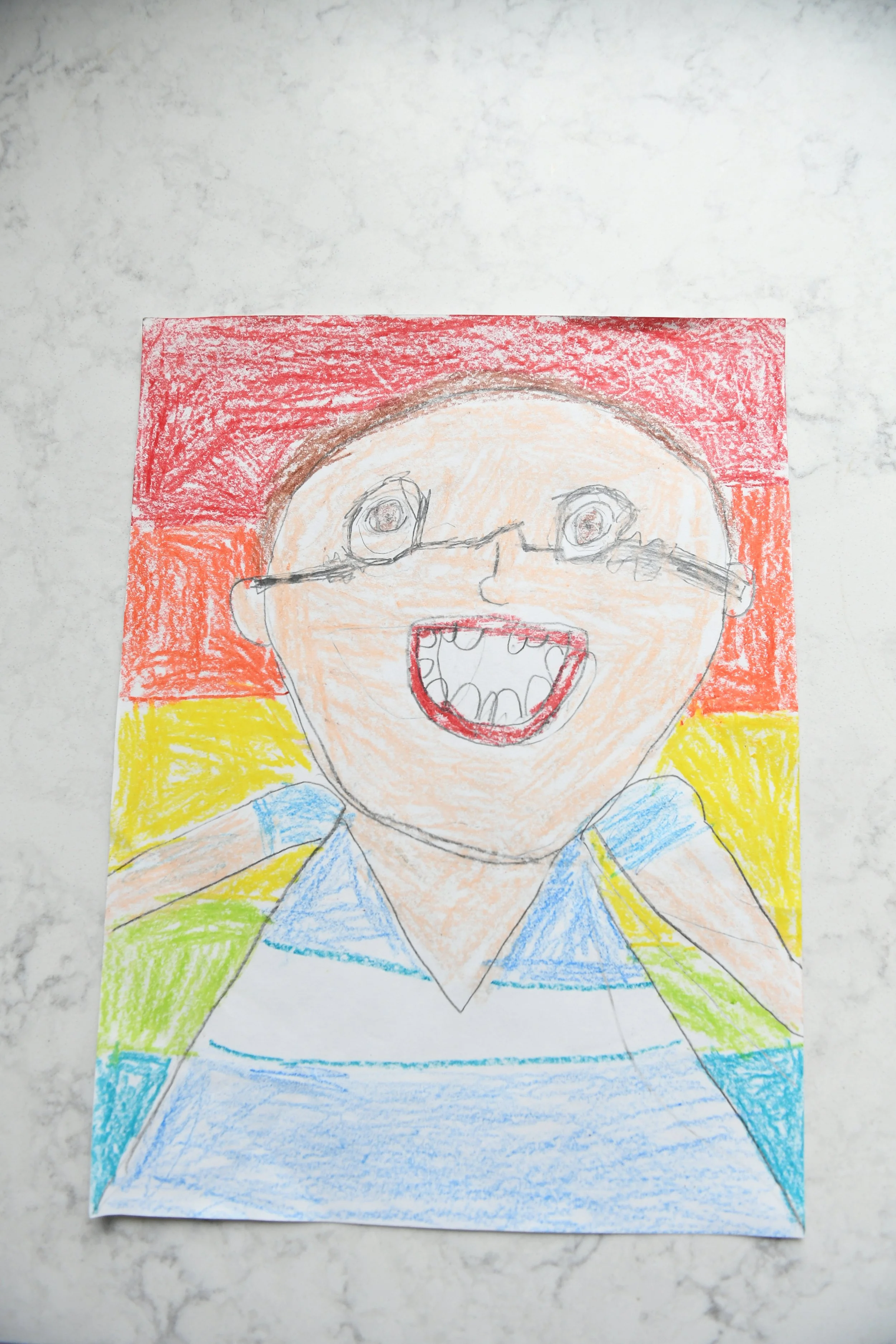
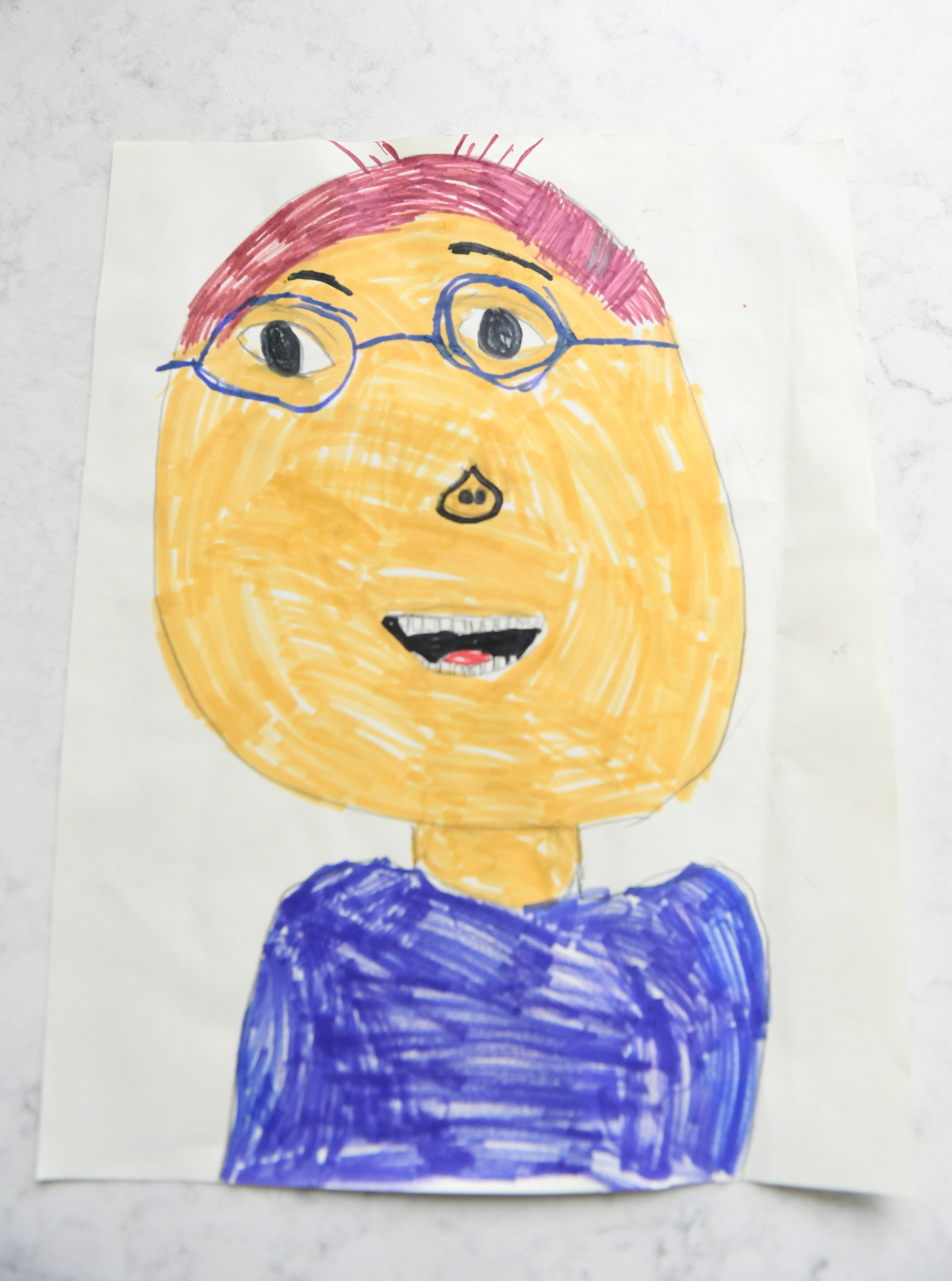
1. Self-Portraits
Self-portraits are one of the most meaningful things kids create. They show:
How your child sees themselves
Their development over time
Their personality and humor
A self-portrait from kindergarten next to one from third grade tells an amazing visual story. These are always keepers.
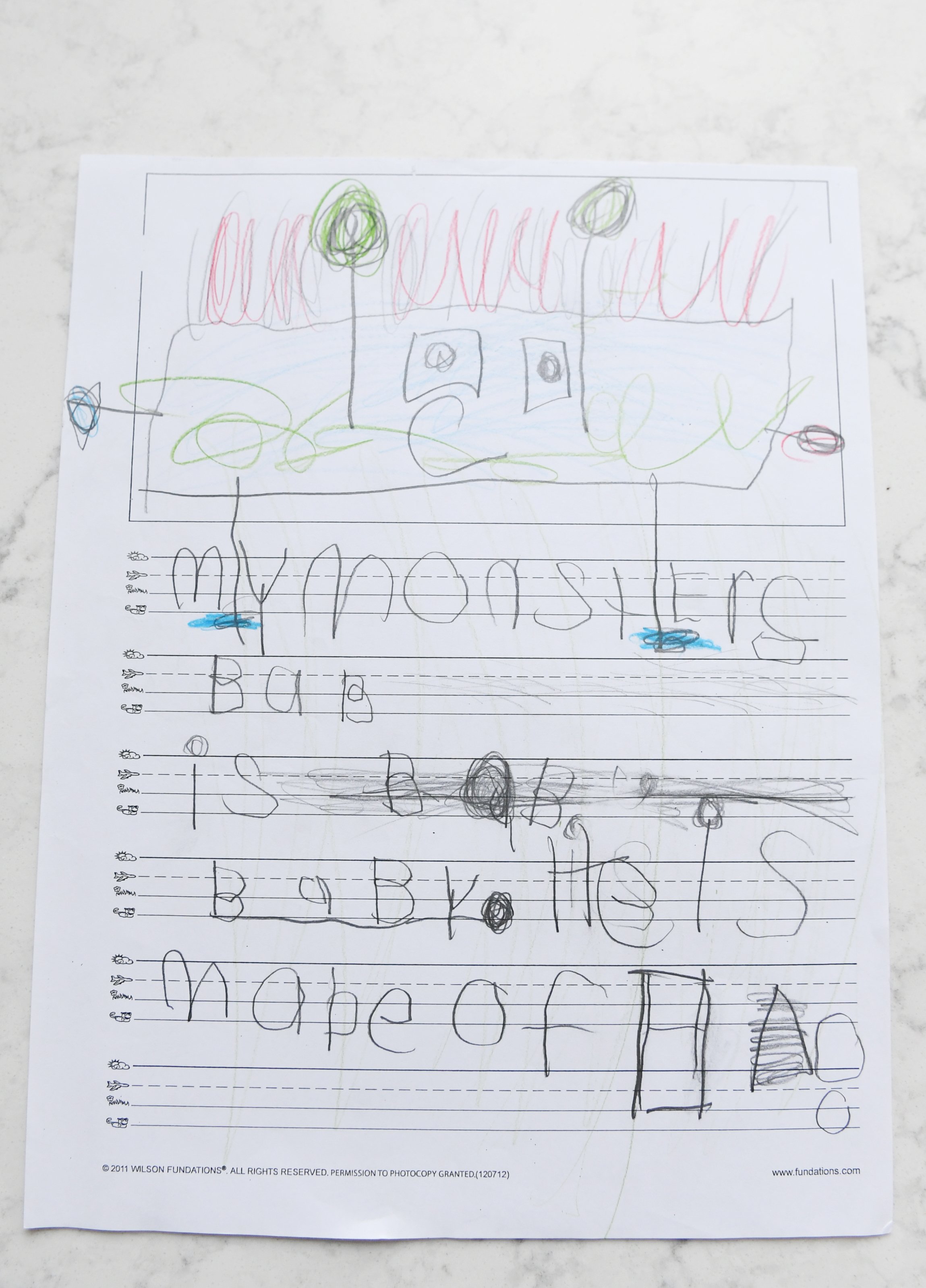
2. Early Handwriting
The first attempts at writing are magic. Those backwards letters and wobbly sentences capture a moment that disappears quickly. Look for:
First attempts at writing their name
Early spelling (“I LUV MOM”)
Little notes they wrote themselves
These pieces often become favorite pages in Keepsakery books because they capture personality so well.
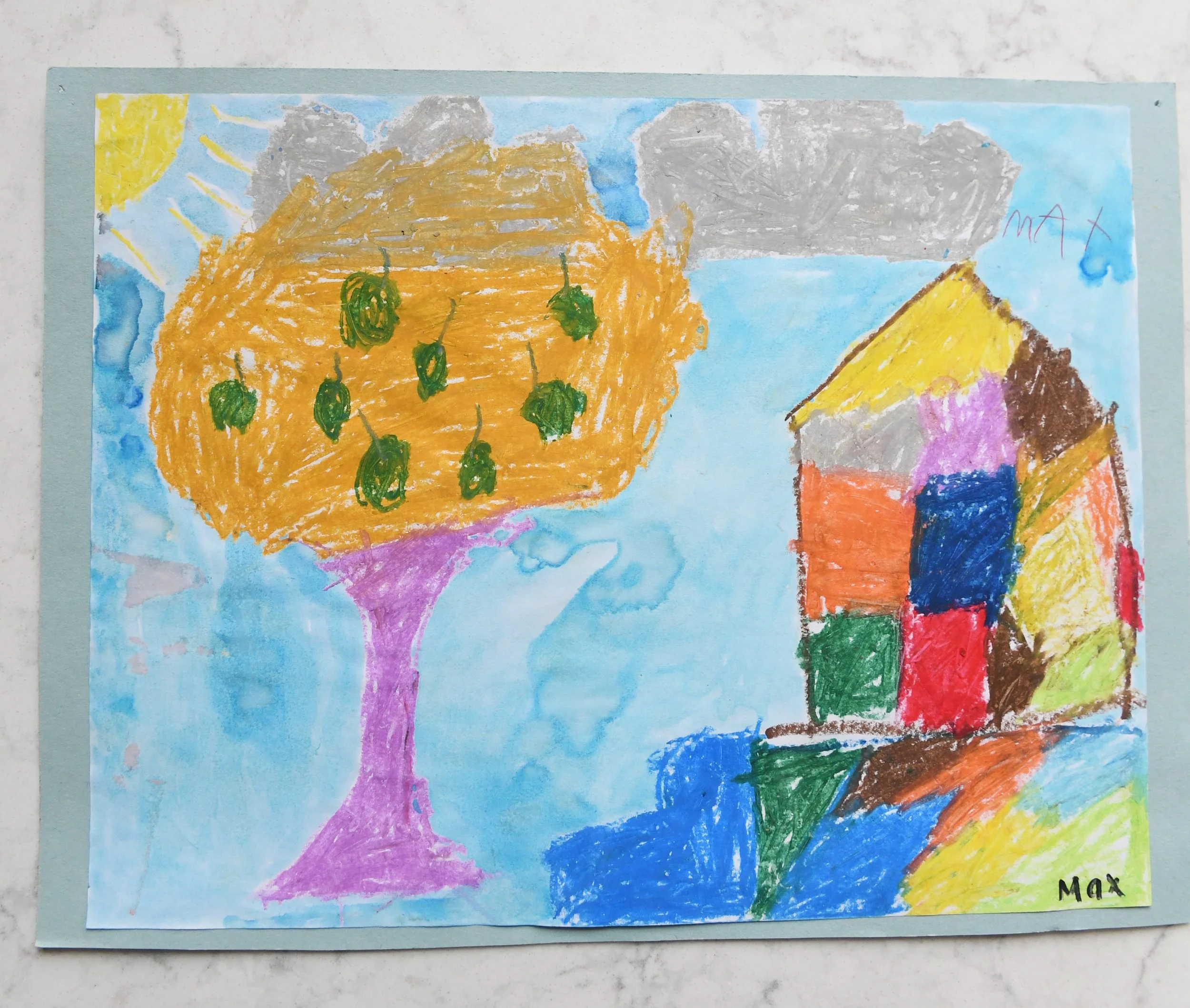
3. Creative Mixed-Media Pieces
The best artwork usually shows effort and imagination. Think:
Paintings
Collages
Mixed-media projects
Art that clearly took time
These pieces often reflect what your child was learning or exploring at that age. They’re also visually beautiful when turned into a book or collage.
What You Can Toss Without Guilt
Here’s the truth most parents already know: Schools produce a LOT of paper. Not all of it needs to be saved.
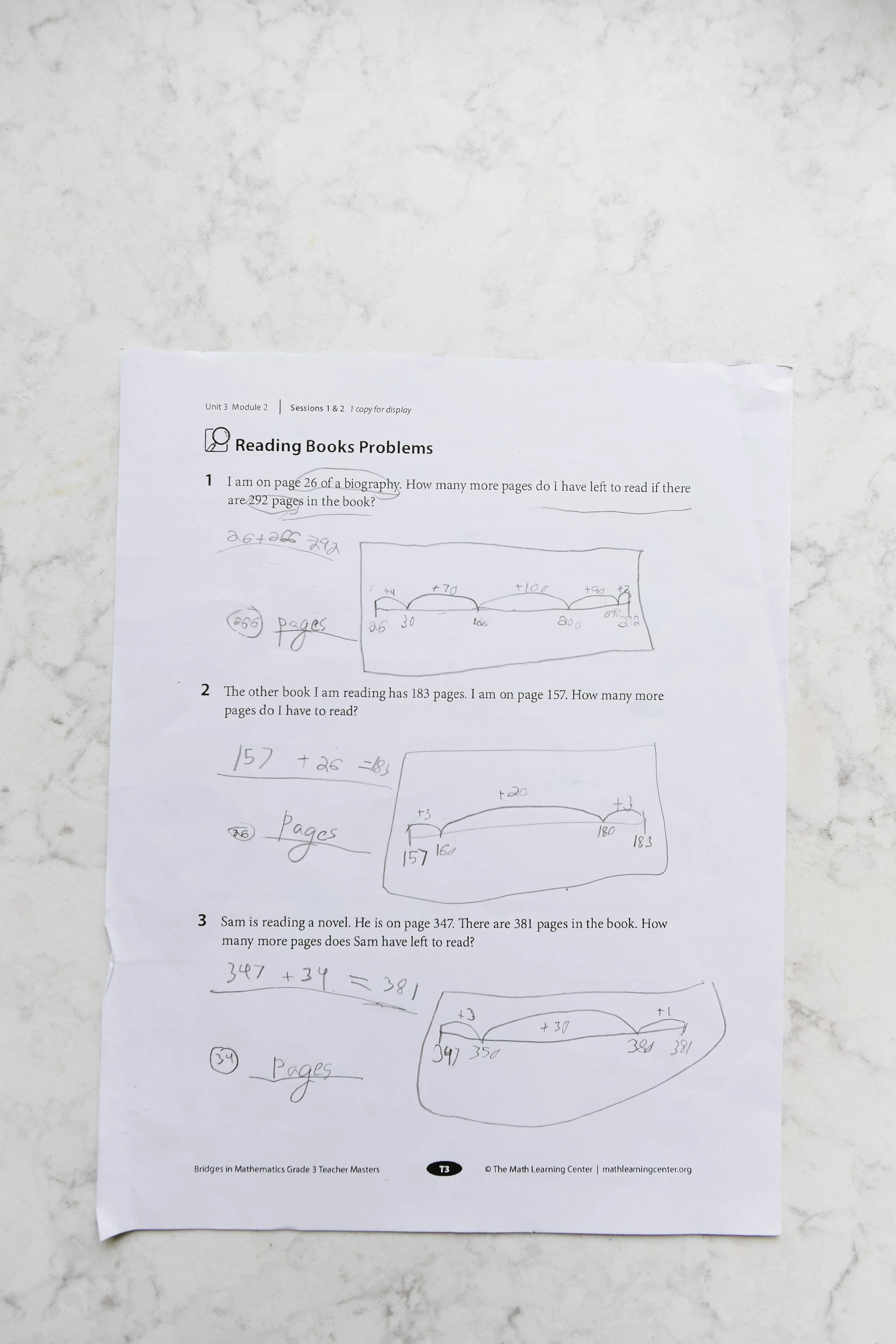
1. Worksheets
Worksheets are the biggest category I recommend letting go. They’re usually:
Mass-produced
Repetitive
Focused on practice rather than creativity
Your child will bring home hundreds of these over the years. Keeping them doesn’t preserve a memory — it mostly preserves school paperwork.
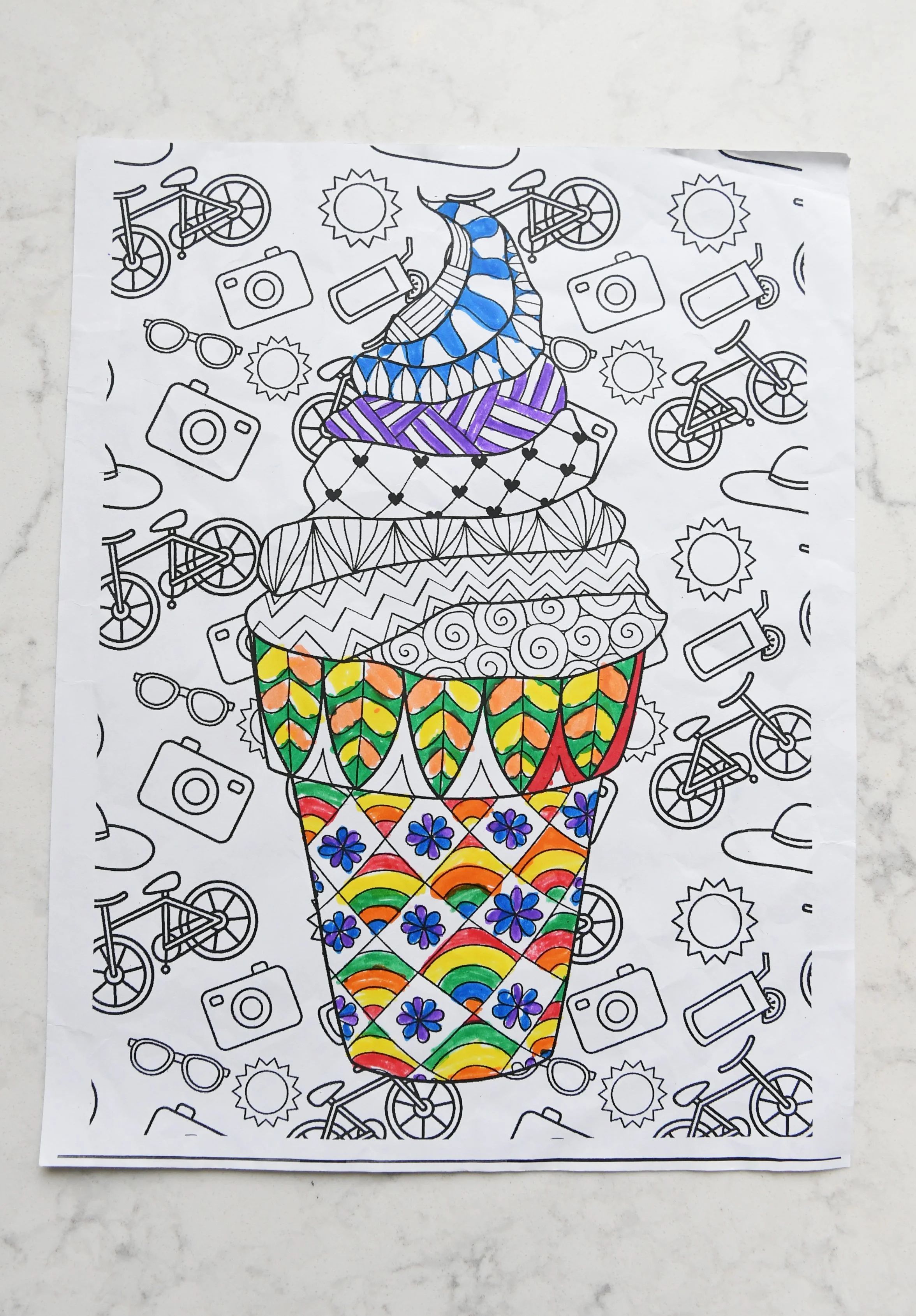
2. Half-Finished Coloring Pages
We’ve all seen them. A coloring sheet where three sections are colored and the rest is blank. Kids move quickly from activity to activity, and that’s completely normal. These pieces usually don’t represent something meaningful enough to archive.
3. Generic Printables
If the page could belong to any child in the class, it probably doesn’t need to be saved. Instead, focus on pieces that clearly show:
Your child’s voice
Their creativity
Their development
Those are the pieces that matter years later.
When you’re sorting through your child’s artwork, the goal isn’t to keep everything — it’s to keep the pieces that actually capture who they were at that moment in time. Self-portraits, early handwriting, and creative art projects often tell a much richer story than stacks of worksheets or half-finished coloring pages. By focusing on the artwork that shows personality, effort, and imagination, you can hold onto the moments that matter most — and let go of the rest without guilt.